Earth editorial note
A new study in Science Advances reveals a critical gap in ocean conservation: drifting fish aggregating devices (dFADs) have likely interacted with 53 percent of the global marine protected area (MPA) network by area and have stranded in 174 protected areas that harbor at least 490 at-risk species. These devices are floating rafts fitted with satellite buoys and echosounders, used by industrial tuna purse seine fleets to aggregate fish.
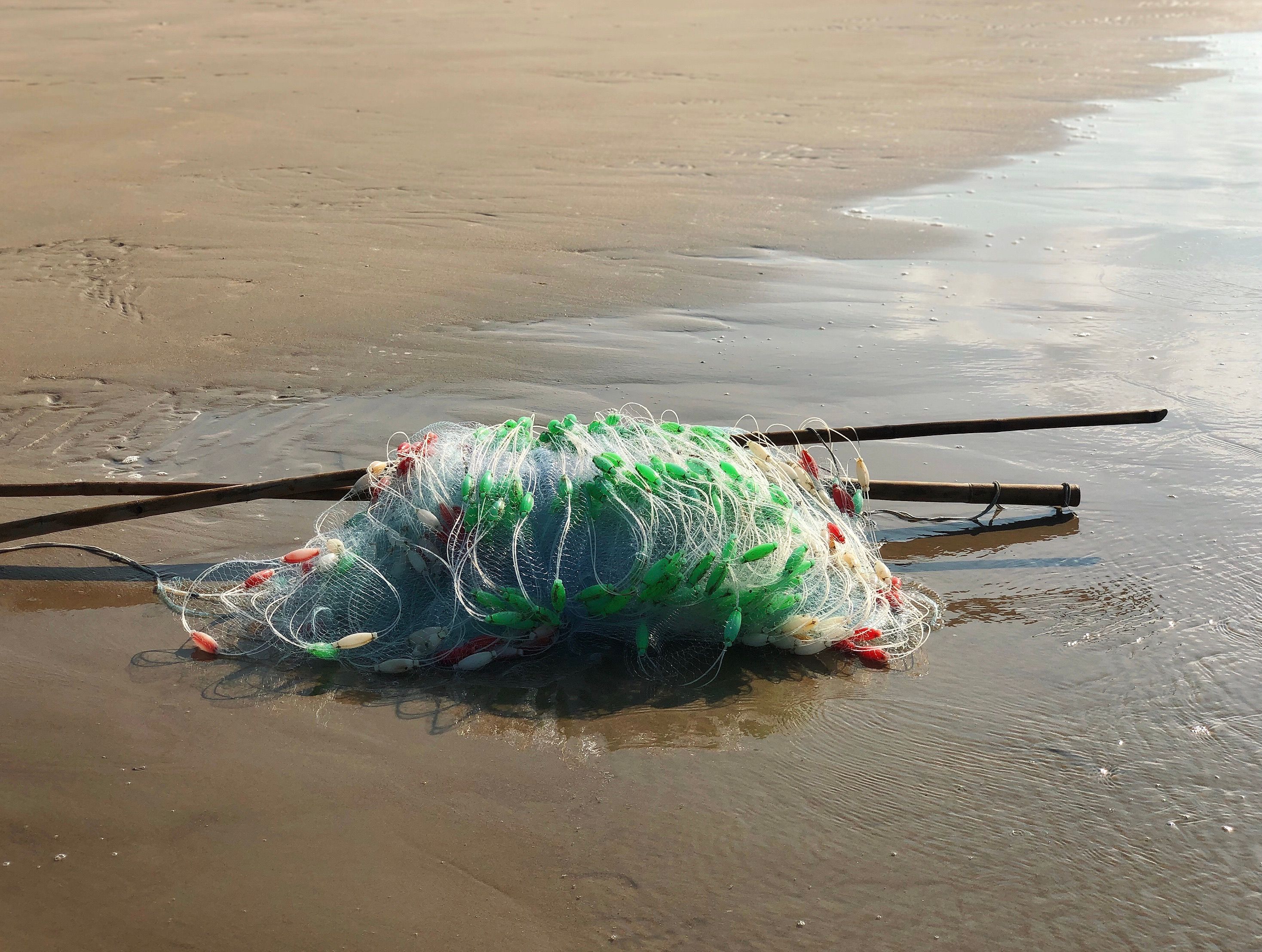
The core problem is that dFADs separate the fishing asset from the fishing vessel. A dFAD can be deployed outside a marine reserve, drift into it on ocean currents, aggregate fish, entangle wildlife, break apart, sink, or wash ashore without any vessel ever crossing the boundary. This makes traditional enforcement approaches based on controlling human entry fundamentally inadequate. Hotspots include the central Pacific, western Indian Ocean, and Caribbean.
Satellite tracking of buoy data is central to both the problem and the solution. Companies often stop paying for satellite transmission when devices drift out of profitable fishing grounds, making ownership hard to prove after stranding. Better MRV, mandatory full-life buoy tracking, durable labeling, and retrieval deposits are among the proposed solutions. For the earth observation and conservation community, this study highlights the limits of area-based conservation when technology decouples fishing activity from fishing vessels, and underscores the need for satellite-based monitoring of gear as well as boats.
Original source
Mongabay
https://news.mongabay.com/2026/07/a-marine-protected-area-can-ban-fishing-boats-it-cannot-stop-drifting-gear/
This summary was prepared by the Earth editorial team. Earth is a knowledge commons supported by EARTH PBC, a technology company building monitoring infrastructure for planetary stewardship. We have a commercial interest in earth observation and supply chain transparency, which we disclose here. Our editorial standards require that news items are selected for relevance to the field, not to promote EARTH's commercial interests.